7 min read
Inspect the Rhizomes Before You Water a Limp ZZ Plant
Use the weight of the pot, the state of the stems and the condition of its storage organs to decide how to help.
On this page
A ZZ plant can droop in a pot that is too wet or in one that has been dry for a long time. The first glance at its glossy leaves does not tell you which situation you have. Lift the inner pot and look at the base. If you find persistently damp mix, consider the roots and rhizomes before watering again. If the pot is very light and the mix dry through its depth, that is a different starting point. Look at the whole container, including water trapped below it, then make one change you can observe.
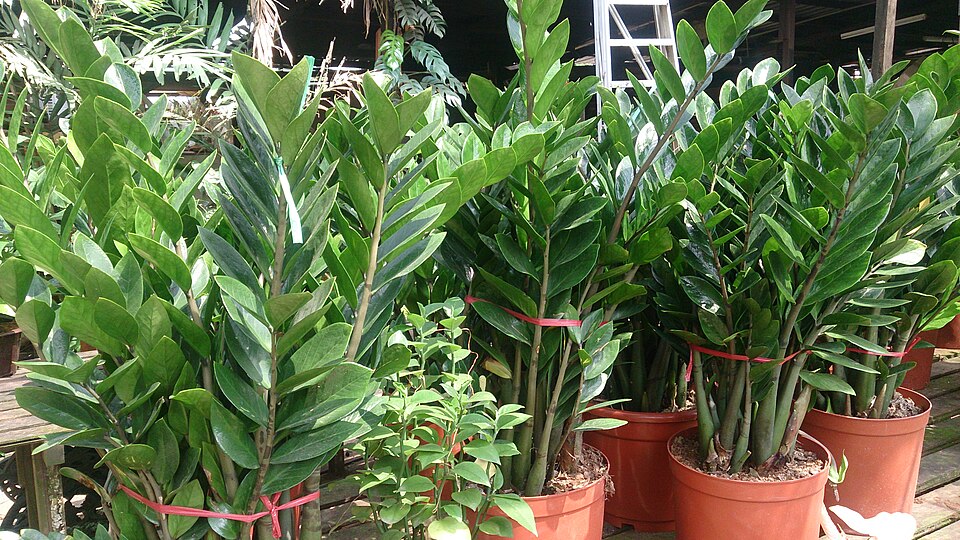
ZZ plant is Zamioculcas zamiifolia. Its growth above the soil includes glossy compound leaves with many leaflets, and below ground it has thick storage rhizomes. Those structures help it tolerate dry intervals. A slow growing plant in low light can require infrequent watering. The length of a useful dry period varies by room, pot, medium and season. It is better to check the plant than use the same spacing between waterings from one year to the next. Handle soil and plant material with care and keep it away from children or pets that might chew the plant.
Check the outer pot before touching the growing mix
Lift the growing container and see whether anything has collected beneath it. A saucer or a snug decorative pot can hold drainage you cannot see from above. Empty it if needed and make sure the inner pot's holes are open. Weigh the inner pot in your hand and feel the mix below the surface toward the rim. A dry crust over very damp soil can appear safe while roots remain wet. A light pot with a dry wooden skewer from the lower mix is a different indication. Use both clues and look at the condition of the plant's bases.
See which parts are limp. One mature leaf can lean into a nearby window or bend under its own weight while its base stays firm. A sudden widespread limp condition with yellowing leaves and soft bases deserves more attention. Check whether the plant was recently moved, exposed to damaging cold or kept near a window that receives much stronger light than before. Look for visible pests or evidence of a physical injury at the affected area. The watering decision can be more precise when you know whether the problem is limited to one leaf or extends across most of the pot.
Write down when you watered last and how long the pot normally takes to dry. That information can explain an apparently recent problem. The room may have grown much cooler or a plant moved into dimmer light. The same quantity of water can stay in a pot longer under those conditions. If you do not know the history because it is a new plant, check how heavy it feels over the next few days. A consistently heavy pot in weak light warrants checking rather than adding another drink.
Look at a rhizome only if the plant gives you a reason
If the plant is declining and the mix stays wet, it may be useful to ease the root ball out while supporting it from below. Work on a stable surface. Gently remove a little loose mix to inspect the bases. Healthy rhizomes should feel firm, while decaying tissue can be soft, dark or foul smelling. Compare with nearby sound tissue when you can. Color alone can be hard to read. If the material collapses easily or the problem is spreading, get horticultural guidance on how much sound plant can be kept. Clean your tools and work area afterward.
For a sound distressed root ball, identify the practical conditions causing the problem. Clear drainage holes and correct inappropriate pot size or persistently dense wet mix where needed. Use a freely draining medium and a container that matches the remaining root mass. Keep sound roots and rhizomes at a suitable level rather than sinking the entire base into fresh wet soil. Repot only as needed, and use appropriate aftercare for any recently cut or damaged tissue. Support a large plant while removing it from the cover and avoid gripping a fragile leaf.
A firm plant with reasonably even growing conditions may not benefit from repeated root inspections. Check the upper and lower mix first. If the pot feels light and has dried deeply, give it a thorough watering when appropriate and let the excess drain. Observe its condition before watering again. Do not let water stand in the cover. If a very dry medium sheds water along the inner wall, pour more slowly. Two short passes with a pause can allow useful moisture to reach the root area.
Give the plant a placement that makes drying visible
Choose bright indirect light if practical, or a suitably lit position with awareness that lower light means slower growth. Increase exposure gradually. Avoid sudden strong sun and temperature extremes. Keep enough distance from a wall or heater that the individual leaflets can be seen. Use a stable position with enough room to lift the inner pot. A plant placed directly on the floor in a dim corner can be very easy to forget until leaves begin changing. Bring it where you can assess it regularly before moisture conditions become severe.
Retain a modest pot relative to the root ball. A large cover can be used for appearance if you can still lift the inner container and check underneath. Don't let the root mass sit in drained water. When weather and growth change, test how long the mix now takes to dry. A stretch of bright weather can shorten the interval, while a dim season can lengthen it. Rather than setting an expected date for every soak, set a day to inspect and decide. Let the pot remain dry as appropriate when the plant does not need more water.
Follow two different pots through the same week
Suppose one plant remains heavy five days after watering, and a second one near a brighter window is already much lighter. Check the lower mix in both. The first plant may have a fine medium or more room around its roots, and the smaller second pot may be fairly well rooted. You can see that difference without assuming either one needs the other plant's routine. Leave the heavy pot until it dries appropriately or address a drainage problem if it stays wet. Give the drier plant a useful soak when the condition of the root area calls for it. Check the runoff rather than assuming both pots drained in the same way.
A simple dry wooden skewer inserted near the outer part of the root area can help where a pot is too heavy to lift safely. Check the depth you used and remember that it samples only one place. In a large container, try another spot if the first one is surprisingly dry or damp. A lot of coarse dry material at the top can hide water below. It can help to compare the moisture at the same depth after a later watering. Avoid repeatedly pressing through large roots or rhizomes just to get a more precise reading.
Make one change and leave a useful record
When you find a simple drainage problem, resolve that first. Move the plant to brighter indirect light gradually if it needs a better location. Leave the rest of its care stable long enough to see what the pot does. If the medium remains heavy, review the size and setup of the container. If it begins to dry sooner and the bases remain firm, keep watching the newest growth rather than repotting needlessly.
Put a note with the date you changed the setup. Mention any damaged stems or leaves, so you can distinguish unchanged older damage from new decline. Take a photo with the entire pot and the affected bases visible. If you need horticultural help, record the moisture below the surface, the time since watering and what the roots or rhizomes looked like, if you inspected them. Those observations make the plant's condition easier to diagnose than the amount of water you usually pour.
Judge recovery from the next compound leaf
Old marks and damaged leaves may remain visible after conditions improve. Watch for a firm normal new leaf and sound bases. If the plant remains steady in suitable light, give it time. Slow growth is common in a cooler or less bright season. If a new part becomes soft while the pot remains wet, inspect the root area again and get help with diagnosis if needed. A clear sequence of symptoms and dates will give an adviser more to work with than a picture taken after several care changes.
Make one note about the pot's dry weight and one about excess drainage. Those observations can guide the next interval and help you compare a new pot with the old one. A ZZ plant uses its rhizomes to cope with regular dry periods. Give those organs a well drained root area and check the actual pot before you intervene. A firm new leaf is the best reason to keep the adjusted routine.
Further reading: NC State Extension profile of the ZZ plant.