7 min read
Separate an Aloe Offset Only After It Has Roots
Follow the small rosette back to the parent, prepare a modest pot and give the new plant time between waterings.
On this page
A small aloe beside its parent can look ready for a pot of its own before it has the roots to live there. Look first at where the young rosette joins the larger plant and whether it has a sound base. An offset that is still attached and growing in an accessible pot can wait. When it begins to take up real room and has roots of its own, work with the size it has reached. The best outcome is a firm young plant that will grow into its next container, alongside a parent that can continue to use its original space.
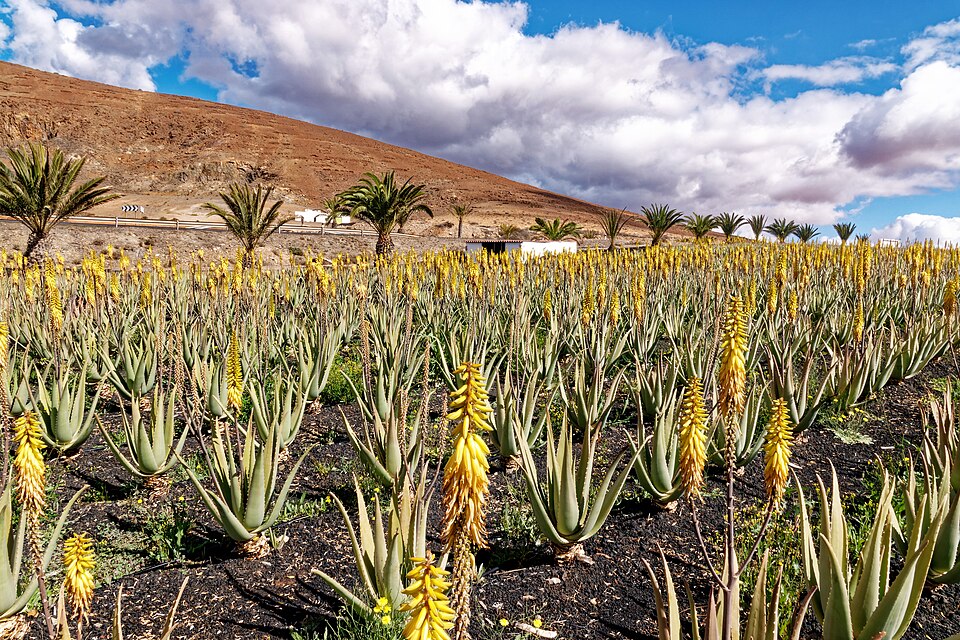
Aloe vera is a succulent with fleshy leaves and a rosette habit. It can form offsets around the base. Young plants raised indoors should be introduced to stronger light gradually over a period of several days. This guide is about growing an ornamental plant. Do not use leaves, roots or sap from a houseplant for a remedy or food, and keep the plant and cuttings away from children or pets that might chew them. Bright light, a freely draining pot and an uncomplicated watering routine are the useful priorities for a newly separated offset.
Decide whether the crowded look is a problem
Look into the pot from above and count the separate rosettes. A cluster of three may be attractive and healthy with room to water. If a small offset remains well lit and the pot is secure, there may be little reason to divide it now. Consider working when you need a second plant or when the group has become hard to water and inspect. The new rosettes often differ in size. Choose one with several firm leaves and enough room to see where it joins the parent.
Check the roots and the pot's drying pattern before working. If a crowded but healthy root ball dries very quickly after a thorough watering, repotting or division may help. A much heavier pot that stays wet long after watering is a different concern. Establish whether drainage is open and whether you can see sound roots. Do not divide several small pieces from a declining plant before you know which tissue is healthy. Use clean tools and keep a suspect pot away from other plants if it shows signs of an infestation or active decay.
Prepare a workspace and gather suitable modest containers before disturbing the original pot. Set the parent down where you can work at the root area. A heavy specimen is easier to handle on a low stable surface. Give its toothed leaves enough space for your hands. Wear gloves as appropriate and support the root ball rather than pulling hard on the thickest leaves. Your first aim is to see the existing connection. You can put the plant back together if the smallest rosette is still better left attached.
Inspect the connection and keep the usable roots
Tip the container gently and slide out the root ball if you need to access a growing point below the surface. Support the lower part of the plant. Move just enough loose medium away to see the area between the offset and the older rosette. Look for firm roots belonging to the offset. A piece with roots and a sound base is a better choice than a newly formed leaf cluster tightly attached to the parent. Keep the smaller pieces in place if removing them would tear a large part of the original root system.
If the chosen offset can be separated with its roots intact, do it carefully. Use clean sharp tools for an attachment that needs cutting. Remove damaged material rather than forcing a live rosette through a crowded root mass. Keep the orientation of the offset clear and notice its previous planting depth. A young plant that originally stood upright can be easier to pot if you support the roots from below, then firm enough mix around them for the new position. Allow a fresh cut surface to dry before putting it in damp conditions, using local succulent guidance appropriate to the amount of injury.
Use a freely draining succulent mix and a pot with unobstructed drainage holes. Select a size close to the root volume. A very large pot can hold considerable water around the base while the new roots are too small to use it. Set the new rosette so the roots are covered and the leaves and base remain clear. Leave open space at the rim. Pack the mix just enough to support the plant. If it leans, correct the position without burying the rosette. Water according to the state of the roots and the established guidance for the fresh cut rather than immediately saturating an injured base.
Give both pots a chance to dry
Set the small pot in bright light without sudden strong sun. Let it become accustomed to a more exposed place gradually. Check the mix before watering. Aloe can manage with some dryness between waterings. An offset has a smaller root system and a different drying rate from the parent, so examine each one separately. When water is needed, give enough to wet the rooted area and allow it to drain. Empty the saucer. Avoid leaving a new rosette in wet mix because its first visible leaves have not changed for a few days.
Put the parent back at a suitable depth. If division has reduced its root ball substantially, use a pot that now fits it, or keep the same one when it is still appropriate. Recheck drainage and moisture before resuming normal watering. Moving a group of offsets can reveal the lower part of the older leaves. Leave sound leaves attached unless they have been damaged or need appropriate removal. Give the parent time to settle on the same bright side of the room rather than changing several parts of its care at once.
Keep a record at the first good inspection. Note how long the mix took to dry and whether both plants held their shape. A soft base in a medium that stays wet is a reason to check rather than add water automatically. A dry, light pot with leaves losing firmness points to a different investigation. Look at the roots, light and season before making repeat changes. A newly rooted plant often takes some time to show visible leaf growth.
Use the first few weeks to compare the new and old pots
Label the small container with the date of separation. Check it when you check the parent, and write down which pot feels appreciably lighter. A younger plant in a small container can dry faster, but its smaller root area can also use less water than you expect. Look under the dry surface to see whether the lower mix is still damp. Give each its own watering decision. A note on the container's actual condition is better than making a new regular allotment based on pot size.
If the offset remains firm but does not seem to grow, check the amount of light it receives and allow time in a suitable growing season. A rosette can be doing work below the surface without immediately developing another leaf. Avoid moving it into harsh light to force growth or increasing water without looking at the root zone. Keep the plant secure and reachable. If it begins to rock more than it did when planted, look at whether the base or roots softened before trying to settle it lower.
By the second or third successful watering, compare the plant's position with its original photo. The center of each new rosette should still be open and clear of debris. If soil washed over the base, move loose material away and correct how you pour water. Keep the pot stable before looking at the smaller pieces left on the parent. You can let them remain attached until their own roots make them good subjects for the same process.
Let a new leaf show the offset has settled
Look for strong new growth in the center and a rosette that stays seated when handled gently. Do not keep pulling it from the pot to see whether it has rooted. If you have a reason to inspect, support the base and disturb as little of the successful root area as possible. Keep the pot in usable light and watch how the newest leaves respond as they open. Old marks from division or sun on the mature leaves can remain. Judge the conditions by what the plant has made since the work.
A new aloe should have a stable place where a watering check is straightforward. If its pot is still useful, give it more time there. Move up only when it takes real advantage of its root space, and keep the parent visible so you can check the next set of offsets before they crowd it. A firm independent plant is the useful sign that the first division worked, even when the two containers now need water on different days throughout the season.
Further reading: NC State Extension profile of Aloe vera.