7 min read
Bring a Wax Begonia In While It Is Still Small
Choose a compact container plant in summer and preserve useful new growth through the transition to an indoor window.
On this page
A wax begonia that filled the edge of a patio pot can be much larger than the windowsill you have available for winter. Choose a plant for that window while it is still small. You can tend a single compact pot outdoors and move it without uprooting a mature mixed container. Mark the plant before the cold season arrives. A window with good light and a pot you can check at the rim are more useful than bringing in every begonia and hoping a place for each will appear.
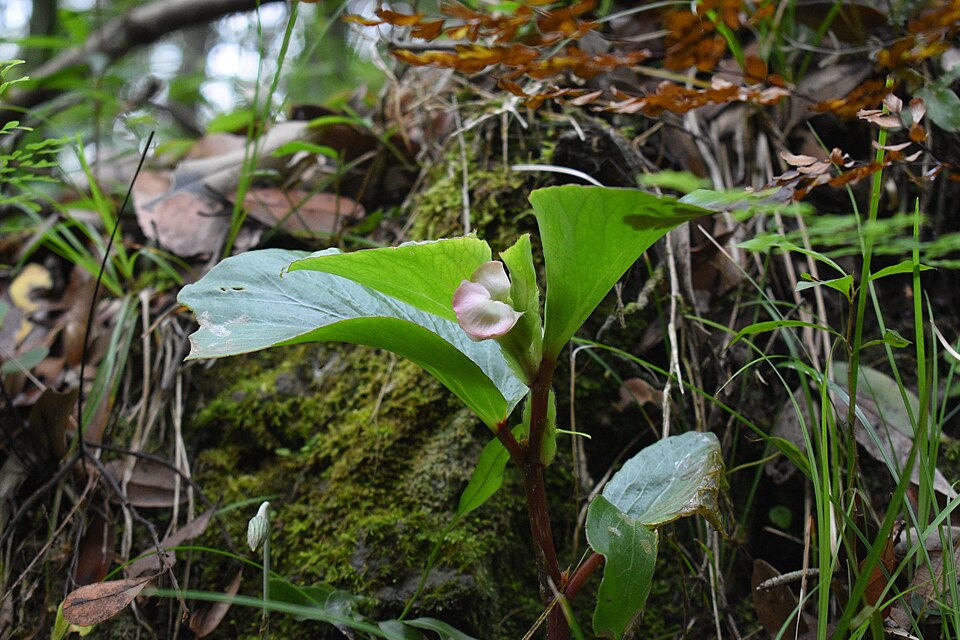
Wax begonias sold for bedding usually belong to a group of Semperflorens hybrids, including descendants of Begonia cucullata. At the nursery, check the label for the expected size and habit of the bedding cultivar. The cultivated plants have fibrous roots, fleshy stems and green or bronze leaves, depending on the selection. They are frost tender and can be kept as container plants under suitable conditions. This is an indoor plan for preserving a compact specimen through the season. Aim for healthy leaves and new growth rather than continuous flowering in a dim room.
Pick the plant for its full outline
Start with a healthy small cultivar whose mature shape fits the intended window. Check the label for height and width. Look for a few firm branches and intact leaves. A leaning plant damaged by traffic can still recover outdoors, but a sound compact specimen is easier to start with. If you need to choose between plants already in a mixed container, select a healthy one you can move without disturbing its neighbors heavily, or grow a separate potted plant for the purpose.
Place the pot where it receives useful light without abrupt exposure to harsh sun. Wax begonias can tolerate different light levels according to cultivar and climate. Bronzy foliage and a sunny nursery position do not guarantee a plant can immediately take hours of strong sunlight through a hot pane. Keep the pot in accessible bright conditions outdoors and let it adjust to changes. Check the intended indoor window during the day as well as at the hour you first thought of using it. A bright window can have a dim shelf just below the sill.
Make sure the inside spot has room for drainage. Use a plant pot with holes and a saucer or cover you can empty. Pick a stable place away from frequently opened cold doors, heating vents and curtains that brush the leaves. Leave enough room for fresh branches even if the plant initially looks smaller than the space. The window should remain easy to use for ordinary household needs. A plant moved repeatedly to open the blind may end up in a dim position for several days at a time.
Prepare the summer container for one small plant
Use a draining houseplant or container mix suited to the roots. Set the plant at its previous depth and give it a thorough first watering with free drainage. A small root ball in a very large volume of fresh soil is harder to keep evenly moist. Choose a modest step up from its nursery pot if it needs more space. Watch how it dries and water again when appropriate. The typical fleshy stems can remain sturdy even when problems begin lower down in persistently wet mix, so look at the base and the holes as well as the top leaves.
If the plant starts to look uneven, first check its light. A single source from one side may lead new stems outward. Rotate gradually if that can give the pot more equal light. Trim a vigorous growing tip selectively with clean tools where a small branch needs a better shape. Leave enough healthy foliage to keep the plant growing. A large haircut just before a stressful move is unlikely to make the transition simpler. Keep a few stems at different heights so you can see which ones develop useful new leaves.
Check the lowest leaves after each spell of rain and note the drying rate of the mix. Clear dead dropped flowers and plant debris from the surface where they remain wet. Look for healthy flower and leaf growth through summer. If the container needs water far more often than expected, check whether it has filled heavily with roots or whether water is running down the side without wetting the center. Correct a simple watering problem before adding a second plant to the same pot.
Inspect outdoors before you move the begonia
Bring tender plants in before frost according to the forecast and local conditions. Use an ordinary bright sheltered day to inspect the begonia first. Look under the leaves and between branches, where insects and damaged foliage may be hard to see indoors. Clear debris from the pot and remove badly damaged leaves with clean snips if needed. Keep a plant apart from the rest of your indoor plants while you observe suspected pests or decay. Ask for local identification if a problem is unfamiliar and worsening.
Move the pot in stages if light or temperature changes sharply. A protected intermediary position can be useful, provided the plant remains safe from the weather. Indoors, keep the leaves clear of very cold glass and hot air. Check the soil before repeating the outdoor watering schedule. A pot that dried each warm afternoon can remain moist longer inside, and an indoor window with heating nearby can send it in the opposite direction. Let the actual root zone guide each decision.
Use a tray under the pot to see whether drainage has finished. Empty it before returning it to its normal place. If the outer container hides old runoff, lift the growing pot whenever you check it. An established wax begonia can look fine for a while even as water sits below the roots. A healthy indoor setup is one in which you can assess the pot without catching the plant between furniture or sliding fresh leaves against a window.
Compare the climate at two candidate windows
Put a paper marker at leaf height at each possible window and observe the light in the morning and midafternoon. A window with useful indirect light for much of the day may be better than one that receives a very strong brief beam followed by long shade. Outside trees can change that balance as they lose leaves. Check how much of the window a blind actually covers and whether a closed curtain would brush the foliage. Pick the window you can use normally while leaving the plant in its planned position.
Make the initial indoor comparison with a pot of similar size beside it if helpful. Notice how much room you have to reach the rim and lift out the saucer without catching branches. If the plant will sit beside a cold pane, leave clearance for the leaves and watch the temperatures when the weather changes. A window that feels warm at noon can be much cooler overnight. Water and light are easier to adjust when the container is stable and out of the way.
Take a photograph of two firm new leaves soon after it arrives. A month later compare their spacing with that of the newest pair. Use the fresh leaves as evidence for either a brighter spot or more time to settle. This keeps one tired outdoor flower from becoming the basis for a change to the whole setup.
Keep the new leaves in the light
Observe the newest leaves as the plant settles. Old flowers or lower leaves may decline after the move. That does not tell you on its own which part of care needs changing. Look at whether stems remain firm, whether new leaves open normally and how much light the plant receives at their level. A set of elongated weak shoots may warrant moving it nearer useful light, while widespread softening in a wet pot warrants a check below the surface. Change conditions one at a time whenever you can.
Depending on its conditions, growth indoors in winter may be slower and flowering may ease. Avoid frequent strong fertilizer to force a result while the plant is in weak light. Use suitable feeding only when supported by active growth and by the potting medium. Keep the pot accessible and remove tired material where it would remain wet. Clean tools after working on an affected plant. There is little advantage to preserving every old summer stem if a compact set of new ones can fit the window and remain healthy.
Make the next outdoor move gradually
When outdoor weather becomes suitable again, acclimate the plant to the new sun and wind before leaving it in its summer position. Watch the fresh leaves on both sides of the pot. A plant that grew behind glass is more sensitive to sudden direct exposure than one that has been outside for several weeks. Adjust watering again as the pot starts drying outdoors. Keep it separate from larger containers until you see that its canopy and root area are ready for the new routine. An indoor begonia that made useful growth through winter can return to summer with a shape you have already planned.
Further reading: NC State Extension profile of wax begonias.