7 min read
Keep the Gold Edge When Dividing a Snake Plant
Choose a rooted division from a named Laurentii clump if you want the young plant to retain the parent’s yellow leaf margins.
On this page
Two young snake plants can have the same parent and develop different looking leaves. A section rooted from one leaf of a yellow-edged plant can produce a green shoot, while a rooted division of the existing plant generally retains the cultivar's pattern. Decide what you want before removing a leaf. If the yellow edging is why you bought the plant, wait for a rooted clump with that pattern and separate it carefully. A strong division can give you the upright outline you wanted without guessing what new growth from a single leaf will look like.
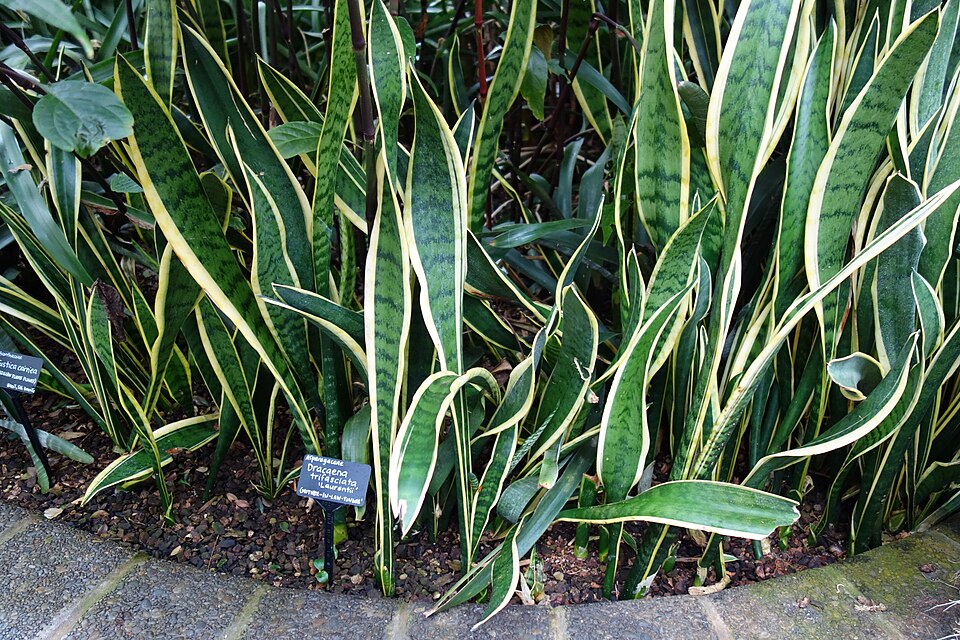
Snake plant is Dracaena trifasciata, previously called Sansevieria trifasciata. There are many cultivars. 'Laurentii' grows tall and has yellow leaf margins with lighter bands that run across the leaf blades. Other selections have silver, white or differently arranged markings. The method here is for a mature healthy gold-edged plant with multiple growing shoots. Use the label and inspect the newly formed leaves, because the pattern you preserve should be clear on the shoot you choose.
Decide whether the new plant needs to match
Take a moment to look at which leaves make up the pattern. Compare the center of the newest shoot with one older upright leaf. Healthy yellow margins should follow the form expected of the selection. A dry damaged tip or a pale scorch mark on the surface is a different feature. If you see a green shoot in a mixed pot, trace back to its base before assuming it belonged to the gold-edged rosette. A pot can contain separate starts of more than one kind. A durable tag and a side photo will help you remember which clump you actually divided.
Leaf cuttings are used to propagate many snake plants, but they can lose the yellow margin of 'Laurentii'. A piece divided with its roots and growing point is a more reliable choice when that feature matters. If you want to try a leaf cutting for a green plant, keep it labeled separately and treat the pattern as something to check, rather than declaring it a copy before new leaves appear. There is no need to cut leaves from a small specimen just to obtain a second plant. Wait for healthy distinct shoots to form.
Notice how the clump fits its pot before starting. The rhizomes, horizontally growing stems below the surface, can extend and form another shoot. A group of leaves pushing toward the rim can show where a separate shoot has developed. A narrow decorative pot can make that growth hard to inspect, even if the plant is healthy. The time to choose a new container is while you can estimate the root ball and the size of a suitable division, rather than after breaking the original nursery pot apart.
Lift enough mix to see a viable section
Prepare clean tools and modest pots with open drainage holes. Use a freely draining medium. Work on a stable surface and hold the root ball from underneath when removing it. The long upright leaves can be awkward to control when the root ball drops. Keep enough space so the leaves do not catch the edge of the table. Handle plant material appropriately and keep it away from pets or children likely to chew it. Loosen mix where you expect to find a connection between two shoots.
Choose a section with living leaves and firm roots of its own. Follow the rhizome back until you see a suitable place to separate the portion. Use a clean sharp tool if there is a strong attachment. Avoid pulling the clump apart by the tips of its longest leaves. Support both pieces so roots do not tear under the weight. Leave a very small offset attached if it has little usable root or it is difficult to reach without injuring the original plant. A single strong division gives both parts an easier start.
Check the tissue while the root ball is visible. Fragile rotten areas or soft leaf bases call for a closer look. Do not propagate visibly unhealthy sections or use the chance to send a plant with suspected pests to someone else. Give a freshly cut surface appropriate drying time according to local succulent guidance and the extent of the cut before wetting it. A good section stands with its roots covered at a suitable depth. Keep the leaf bases and crown clear instead of sinking the whole division to hold tall leaves upright.
Fit each section into a pot it can use
Select a pot close to the remaining root volume, with enough support at the base for a tall plant. A wide, stable container may make it easier to water a plant with several upright leaves, but avoid a very large increase in the amount of wet soil around a small section. Set the division at its previous depth and settle open mix gently around it. Check that you can move the container from below without using the leaves as handles. A pot with visible drainage is particularly helpful while the partly divided root ball is settling.
Give both plants suitable bright conditions and adjust gradually if stronger sun will reach them. Snake plants tolerate lower light, but a dim position can slow growth and drying. Use the actual moisture in each pot to decide when to water. Let the mix dry between waterings and drain it thoroughly when needed. A division and a parent in different-sized pots are likely to dry at different times even on the same shelf. Clear any water collected in ornamental covers and give tall leaves safe clearance around traffic.
Take a photo of the first visible leaf in each portion. When the next new leaf emerges, compare its edges and bands with the original rather than using a cut edge or a damaged old leaf as the standard. You can see which growth actually developed after separation. It may take time, especially in cooler lower-light conditions. Keeping both pots labeled will help when the new growth is a different height or appears at a different time.
Match the division to the space where it will grow
A tall gold-edged plant can fit between two windows while its leaves are near vertical. When new blades open from a rhizome near the rim, they can expand beyond the original outline. Set the plant a useful distance from a door or a moving curtain. Keep the narrow side of the container reachable from the direction you normally water. Choose a location that gives you light for healthy new growth along with space to lift the inner pot. Do not let a group of tall leaves hide whether the container is standing level.
Put a reference photo on the day of division and another beside it after new growth opens. Examine which leaves are visibly new and whether the edge follows the whole length you can see. A dried tip or a band where a leaf was creased will not tell you the cultivar's color. Keep the description on the label specific to your starting plant. If you later try a leaf cutting, store its label with the date and method so you can interpret the result when new leaves appear much later.
Leave a reasonable interval between handling and judging the result
The two pieces may not grow in step. A section with a few firm roots can remain quiet while the older clump continues extending. Compare the drying of the growing medium and the firmness of the leaf bases before changing pots or moving either one. A light dry pot that needs water deserves different care from one whose base has stayed damp. An upright leaf that already had a crease may never look perfectly smooth. Compare the next living leaf rather than revisiting the same old mark. Through the slower season, keep the pot in stable conditions and let new growth come at its own pace.
Keep the pattern and the watering history separate
If a new leaf shows the expected yellow margin and remains firm, leave it in light appropriate to the variety. If a new leaf is fully green, verify its origin. A piece from a green shoot in a mixed pot could explain it. If you started it from a leaf cutting, it may have lost the original variegation. When parts of an older leaf yellow or turn soft in a heavy wet pot, check water and roots instead of assuming you are seeing the cultivar's normal edging. The location of the mark and the firmness of the base are useful clues.
Watch the small pot for a few watering cycles before thinking about repotting again. If new roots have settled and the pot stays secure, give it time to extend. If a large plant still rocks after division, check the base and the container rather than piling mix over the leaf tips. Move each plant when needed according to its own growth. The outcome you want is both an identifiable color pattern and a sound upright plant. A rooted division from a known clump gives you the best chance of keeping the two together.
Further reading: NC State Extension profile of the snake plant.