7 min read
Sow a Narrow Cornflower Strip You Can Pick From
Compare spring and autumn sowing where local conditions allow, and keep the cut flowers and fallen seed within reach.
On this page
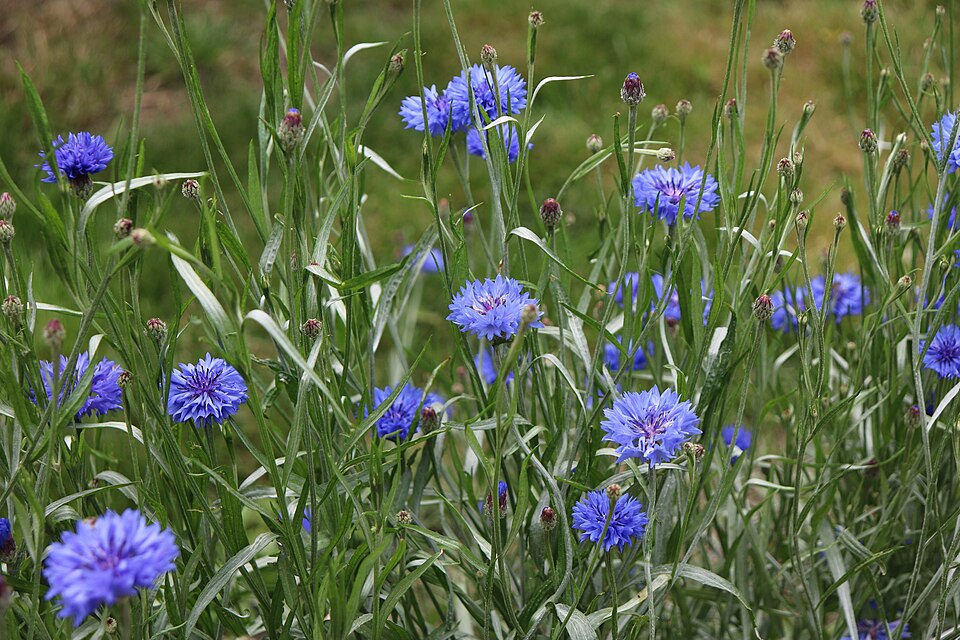
Several blue cornflowers near the front of a bed can make a small garden look surprisingly full. Sow the same seed across a wide block and the job changes. The middle is hard to reach, seed heads dry before you notice them, and the best stems may lean away from the open light. A narrow strip gives you a clearer relationship with the crop. Make it the width you can reach across from one side, keep that edge visible, and cut a few flowers regularly. You can also see where seed is going before the display turns into a collection of volunteers.
The annual plant is Centaurea cyanus, often called bachelor’s button. Perennial cornflowers and other knapweeds can have similar common names and different habits. Use the name on the packet. The annual has naturalized in many regions, so check local guidance before choosing it, especially beside restoration plots, fields or natural ground. Where it is restricted or discouraged, use an appropriate local annual instead. Keep any seed trial modest and somewhere you can inspect the plants and surrounding open soil.
Use the width of your reach as the first measurement
Stand on the accessible side of the bed and see how far you can comfortably reach with one hand. Mark a strip slightly narrower than that. Leave room to set down a vase or bucket by the bed, and a way to move along it without stepping close to the roots. An area along the side of a broad sunny bed can work well. If one end becomes deeply shaded as nearby plants grow, shorten the planned line there. Strong light and good drainage are a more useful starting point than a graceful curve that leads through poor conditions.
Select a tall form if you want long stems for cutting. A short form in a shallow border can be easier to keep clear of a busy walk. Read the expected spread and height and note how much space is needed between plants. The RHS gives a broad annual cornflower spacing range, roughly 23 to 45 centimeters, depending on the selection and how it is used. That range leaves room to adapt. A tight row may look full early but make it difficult to reach the faded heads behind the first flowers.
Inspect the ground after rain. Runoff can flow along a narrow strip and gather seed into one patch before it germinates. Choose a level enough piece of ground where the soil can settle and excess water can leave. Prepare a fine surface in the row and clear obvious weeds. In a fertile established bed, added feeding is rarely the first concern. Better spacing and full sun can give you steadier stems than pushing more growth into the same tight area.
Make the calendar comparison small
Spring sowing is a straightforward option when the soil is workable. Sow into the final strip if conditions suit and follow the packet for depth. Water with a gentle flow and label the ends before the seedlings are distinguishable from other young growth. If you want to compare an autumn sowing, reserve a short separate section or use two small rows that receive similar exposure. The result will tell you more if both areas have comparable drainage and you know exactly which season produced each group.
Autumn sowing can bring earlier flowers where the young plants can establish and make it through winter. In areas with severe cold or persistently wet soil, spring may be more dependable. Look at the local advice for hardy annuals and the variety you chose. A small fall trial with appropriate protection during hard frost can be useful where that is advised. The trial should leave enough seed for spring if the earlier plants are lost. Do not count on a small exposed strip supplying all the flowers on a fixed date.
Write down the date on which you see the first true leaves and the date you thin. Note extended periods of wetness or cold separately. When comparing two starts, begin with which plants survived in good condition. More early flowers mean little if the entire row requires replacement in spring or becomes so tall by first bloom that it cannot stand. You are looking for a window that gives usable stems for the amount of work you can do.
Thin and support while you can still see the stems
Thin according to the mature size, leaving upright young plants with room to develop. If seedlings opened in a tight line, remove alternate plants first and then assess the space before removing more. Pull or cut unwanted growth in a way that preserves adjacent seedlings. Water while the small roots establish. Check directly below the surface rather than assuming that a dark strip across the top received a useful soak. Keep weeds clear before the young plants cover the soil.
If tall stems lean, check whether the strip is shaded or exposed to wind from one side. Use an unobtrusive support where needed and put it in place before the plants become heavily branched. Low sticks and a stable open line can hold several stems while leaving upper growth free. Keep materials within the bed and avoid loose fittings across the way you approach it. If a shorter variety is flourishing beside taller plants that need repeated help, use that difference when laying out the next sowing.
Take an early look after rain. A leaning plant with sound stems can often stay where it is with a gentle support. One that has broken badly can be cut to an undamaged branch if there is enough healthy growth. Clear the path side before trying to lift the whole group. You can inspect a narrow strip stem by stem. When the plants regularly collapse toward the same direction, make the next change in position or height instead of adding a higher support every month.
Judge the length you can actually use
Set an empty jar on the path before the first cutting. Decide how much stem must go into water and how far the flower should stand above the rim. Some short stems that seem disappointing in the bed are exactly the right length for a small vessel. Keep the taller shoots for the longer arrangement. Use clean snips, and make a little space beside the bed for stems you plan to carry indoors. If the row gives only a few flowers at a time, collect several useful lengths instead of waiting for every bloom to reach an identical stage.
Try two nearby flowers at slightly different stages of opening. Mark the date and see how they look the following day. The conditions indoors and the variety can affect the result. Take stems in a cooler part of the day when practical, and get them into clean water promptly. Remove leaves that would sit below the water line. The experience helps you decide whether the next flowers should stay another day in the strip or come indoors when the petals are just opening.
During a week when you do not want cut flowers, keep watching the stems that are already past their best. A short trial with a low plant count is quick to maintain this way. Follow the stems sideways before deciding they have finished. Several may still have small branches with buds below the oldest head. Clearing the head while leaving those shoots gives you another chance to pick without adding a new sowing.
Let regular cutting make seed control easier
Cut fresh blooms as they open. Work around the row and leave useful leaf-bearing branches below each cut. The best stem for a jar might be low on the plant and hidden by an open flower nearer the edge. Take it if you can do so without removing the part of the plant you want to remain visible. A little cutting often keeps the strip accessible because you see the plants regularly and notice which heads have finished. It also gives you a chance to see whether a stage of opening holds up well in the bunch.
Remove fading heads before seed disperses where you want to limit volunteers. Inspect near the supports and the far edge of the strip, where stems can fold over the soil. At the end of flowering, check for mature heads and clear them as appropriate before dismantling the supports. Look at the adjacent bare ground later in the season and during the next suitable growing weather. Remove any unwanted seedlings early and keep the strip away from locations where you cannot inspect or contain the next generation.
If an autumn trial yielded earlier flowers in good condition, keep it at the size you can manage. A spring batch can follow even in a successful trial, provided you still have an open position. Where plants broke, flowered late or seeded around the edge before you could pick them, move the next sowing closer to your ordinary walk or use a shorter cultivar. Record the week you cut your best stems and whether both sides of the strip stayed clear. That is the information that makes the next row easy to plan.
Further reading: Royal Horticultural Society profile of annual cornflower.