7 min read
Sow Calendula for the Cool Ends of the Growing Season
Use two short sowings to color a sunny path, and decide whether the spring plants are worth keeping through summer heat.
On this page
A calendula edge can spend the mild part of the year putting up a new orange flower every time you walk by. After a long spell of heat, the same plants may give you a few small blooms above a line of aging leaves. Instead of asking the first sowing to carry the edge until frost, break the display into two manageable plantings. Make the first one when the ground and weather are suitable. Keep half the space in reserve for the period when temperatures moderate and there is still enough time for flowers.
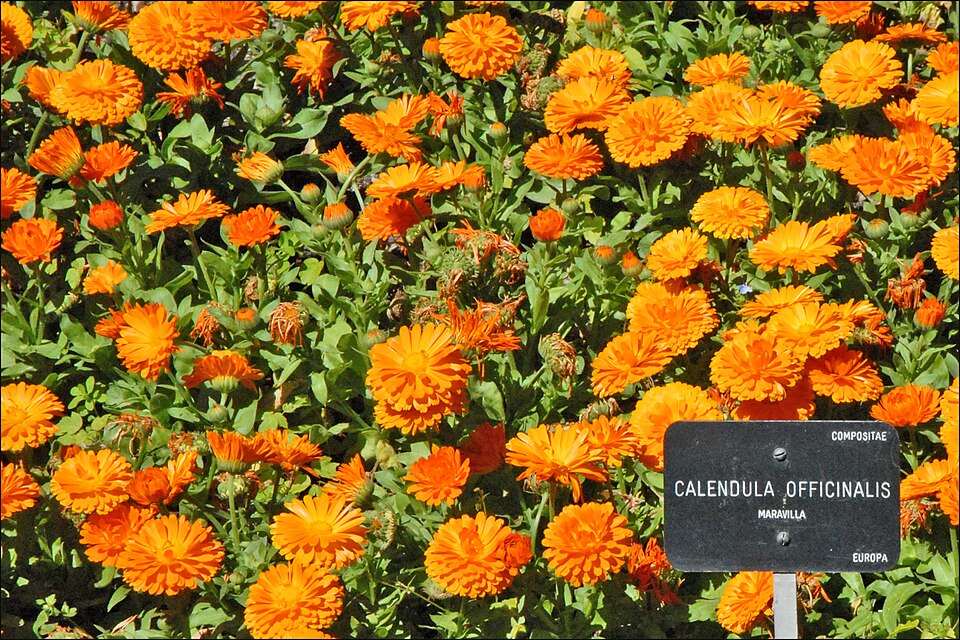
Calendula officinalis is commonly called pot marigold or English marigold. The bedding plants sold as French and African marigolds belong to the genus Tagetes and have different growing habits. Read the botanical name and choose a compact calendula for a narrow border or a taller one if you want useful stems to cut. Orange and yellow flowers are common, and cultivars can differ in the shade of the petals, the center and the fullness of the flower. The important trait beside a path is how much leaf and stem the plant will place across the edge.
Divide the path without drawing a straight line of flowers
Mark a stretch that receives ample sun and drains after rain. Look at it from the direction in which you usually approach. A group of calendulas around a turn may be more visible than the same number in a long straight row. Set three or four markers across one part of the ground and leave the next part open for a later sowing. The two groups can overlap in the view without sharing exactly the same soil. This makes it possible to work on the second part without damaging roots in the first.
Decide how you will reach the edge for cutting and deadheading. If there is a step just inside the border, leave enough room that the fully branched stems are clear of it. Plan for a little outward lean after rain. A compact strain may suit a shallow bed between a path and a wall. In a broad bed, a tall variety can produce longer cutting stems while a more compact one keeps the low edge clear. You can also put a second batch in a planter, provided it has enough volume, steady drainage and a position close to the sun.
A place beside masonry can get warmer than nearby open ground. Watch which side of the path first dries after rain and how long reflected heat stays there in summer. Consider the planting as two separate environments if the ends differ widely. A cooler open stretch may hold flowers for longer as the season warms. A warm side can be useful when days become shorter and nights cooler. Choose based on the season you intend each group to cover.
Put the first sowing into workable ground
Read the cultivar guidance and compare it with the local frost forecast. Calendula can be sown near the end of the frosty period in many climates. Some gardens start indoors for an earlier show and set out hardened plants once local conditions are suitable. Where winters are mild, a fall sowing can sometimes provide earlier flowers. Use regional guidance and protect plants if hard frost is likely. A small trial is easier to shelter or resow than a whole border devoted to a single date.
Open a short row rather than scattering seed across all the prepared ground. Cover it to the depth advised on the packet, keeping the surface level enough that heavy watering will not wash seed into one end. Wisconsin Extension gives a starting depth of about a quarter to half an inch for direct sowing. Mark the location. Monitor the soil while the seed germinates and thin the young plants to suit the mature variety. You will need room around each one to reach the spent flowers without grabbing adjacent stems.
Water the young group while it establishes. Once the plants are growing steadily, check the soil and the weather before watering again rather than giving a fixed daily sprinkling. Pots can dry rapidly on an exposed path edge. Avoid regular heavy feeding in fertile soil. A crop intended to flower along a low edge can become crowded with extra foliage. When young growth is vigorous, pinching selected tips can encourage branching, but leave some stems to flower earlier if the opening display matters to you.
Take the first cuts at the edge of the group
Walk the path during bloom and decide which stems are doing most of the everyday work. A bright flower facing the approach may be worth leaving, while a tall one partly hidden behind the others can make a useful cut stem. Choose a few stems for a small vase and look from the path again afterward. If taking three stems has cleared a large gap, collect from separate plants next time. A mix of open flowers and fresh buds helps the group look less depleted between visits.
Clip fading heads where you want more flowers and fewer seedlings. Follow each stem back to a useful point and keep the healthy leaves below it. Work on a dry day if the canopy is wet and crowded. Old stems may hide insects or damaged leaves. Check for aphids where growth is soft and for pale powdery patches on foliage. A little damage can be tolerable on an otherwise vigorous plant. Look for a recurring condition before changing the care of all the plants on that side.
Leave one or two seed heads only if you want seed or volunteers and local conditions make it appropriate. Mark them so you can continue clearing the others. Seed from a mixed or selected population may produce variation. If uniform color or shape matters at the path edge, retain the original seed packet for the next batch. Keep the marked heads where you can observe or collect them before they spill into an area you would prefer to keep clear.
Choose whether to bridge the hot period
During the hottest weather, look at current growth rather than counting the old flowers. If plants still have healthy leaves and small new buds, they may resume stronger flowering when temperatures fall. Keep them watered appropriately and trim the spent heads you do not want. If they have declined far enough to leave the path looking untidy, clear damaged or exhausted plants and use that space for a later group. A gap during severe heat can make more sense than trying to produce flowers by watering an already stressed crop excessively.
Sow the second group only where conditions give it time to grow. Read the estimated days to bloom and consider the interval between the likely relief from heat and the first damaging cold. Use actual garden temperatures rather than choosing the same calendar week in every location. If the growing window is short, use well established small plants or reserve the second sowing for another year. Keeping a small pot under suitable conditions can provide a flexible start, but transplant it before its roots struggle for space.
Decide what happens to the remaining ground while you wait. Keep weeds down so the second sowing will be straightforward. Use the bare spot to see how the soil actually dries. It is easier to judge drainage on open ground than under an old canopy. If the same end of the path repeatedly becomes dry, give the next group a site with more usable soil volume or easier watering. Keeping the later group compact makes it easier to compare it with the first group on that same route.
When you try a second batch, label it separately from the spring volunteers. A few older plants can restart during the same run of cool weather, making the new sowing look more successful than it was. Keep the two batches distinguishable until you can see which plants made the flowers visible down the path.
Save the two dates with the next packet
Write down the first flowers, the part of summer when the earliest plants slowed and the date of the second sowing. Note whether one extra hot spell made the late sowing harder or whether the plants flowered with enough time to spare. Compare how many blooms you could see from the path with how many stems you used indoors. If the first group did well and the second consistently misses its window, use the first part of the year as the main display and make the later trial even smaller.
Keep the choice of container and cultivar with those notes. A compact strain along the path and a tall strain for cutting can each work when you allow the space they need. Give one batch an honest opening over the weeks when the plants grow comfortably. If the garden offers a second one, use it without counting on the earlier plants to last. The color reaches the walk when conditions favor it, and you can keep the edge useful in the interval.
Further reading: University of Wisconsin Extension guide to calendula.