7 min read
Keep Lemon Balm in a Pot You Can Check After Flowering
Manage fresh leaf harvests and prevent unwanted seedlings by making two different cuts at the right stages.
On this page
An established lemon balm in a pot can perform two very different tasks. In the weeks when you want leaves, it can give you a few fresh tips at a time from shoots that grow back. When it flowers, some of those stems stand taller and become worth watching for insects. The second period brings seeds, which can travel beyond the pot even if the roots have stayed within it. Keep the container where you can see its rim and the ground around it. It will be much easier to keep the plant at a useful size when you can choose exactly which stems remain.
Melissa officinalis is a perennial. Plants and selections can vary in fragrance, so purchase well labeled culinary stock if you are growing the herb to use for flavor. When comparing lemon balm plants, ask the nursery which stock it grows for culinary use. Check that the label gives the botanical name and identifies a cultivar if one is being sold. Choose a plant with healthy new growth and a label. If the nursery allows it, smell a gently handled leaf to compare the options.
Put the pot where its two edges stay visible
A freestanding container on a patio or paved courtyard can make the crown and any escaping growth easier to see. Leave a hand's width or more around the drainage side if possible, and plan enough room to lift the inner pot. Do not set it inside a larger bed with the rim completely hidden by other leaves. A buried pot makes it harder to check roots or seedlings outside it. The position near a stable door or seat can make the fresh foliage useful without getting in the way of traffic.
Pick a container that suits the existing root ball and has open drainage holes. Use reasonably well-drained growing medium. Place it in sun or suitable part shade, allowing for the extent and strength of the local sun. A terrace close to a warm wall can dry more rapidly than you expect, and a shaded enclosed corner may hold moisture much longer. Test the pot after an ordinary watering. If runoff remains under it for a long time, clear the outlet or change the way the container sits.
Make sure the ground around the pot is something you can inspect. A long gap between paving stones or a deep layer of gravel near other pots can hide seedlings. If the only place available is beside a patch that must stay free of the herb, give yourself a way to reach the very edge of that patch without moving a large wet planter. Keep a clear position from which to snip the flower stalks later. The convenient mowing side and the side that faces the sun can be different, so look at both early.
Leave a turn for watering when the pot fills out
Check whether you can still see the soil after the leaves reach the pot rim. If the only exposed part is next to a wall, rotate the container during a quiet period or open a small area by selective harvest. Pair this with a check of the saucer and drainage. A few drops on the floor may mean that water ran down the inside wall of the pot without reaching the center. Pour more slowly when dry mix is shedding water, pausing long enough for it to absorb the first part before you continue.
Cut for new leaves without using the whole plant at once
Get the plant established before making large cuts. Water it as needed and wait for vigorous growth from more than one stem. Use clean tools to take a few tender tips before a meal or other use. Harvest only correctly labeled cultivated plants that have been grown and treated appropriately for food, then rinse the leaves. Leave a useful amount of foliage on the stems. Fresh tips can grow below a light cut, while a plant clipped nearly bare can take longer to regain a full shape.
Walk around the pot and see where you have been cutting. The side facing the door can be sparse if it is the only bit you ever harvest. Rotate your route or take occasional cuts from another accessible stem. Keep the pot in useful light and water according to the condition of the mix rather than the amount of foliage you cut last time. A dry mix may need a thorough watering and drainage. The smaller stem you left after harvest will use water differently from a pot covered with broad new leaves.
Cut back a straggly section from a healthy plant during appropriate active growth if you want more fresh foliage. Keep enough leaves and a manageable amount of stress. Try part of the clump before cutting every tall stem at once. See which directions the new shoots take and whether they fill the opening you were trying to improve. If the plant is shaded by another pot it may make long weak growth again. Improving the light can make the maintenance cut more effective. Change strong exposure gradually and retain the original usable leaf crop while new growth settles.
Leave a few flowers where you can see them finish
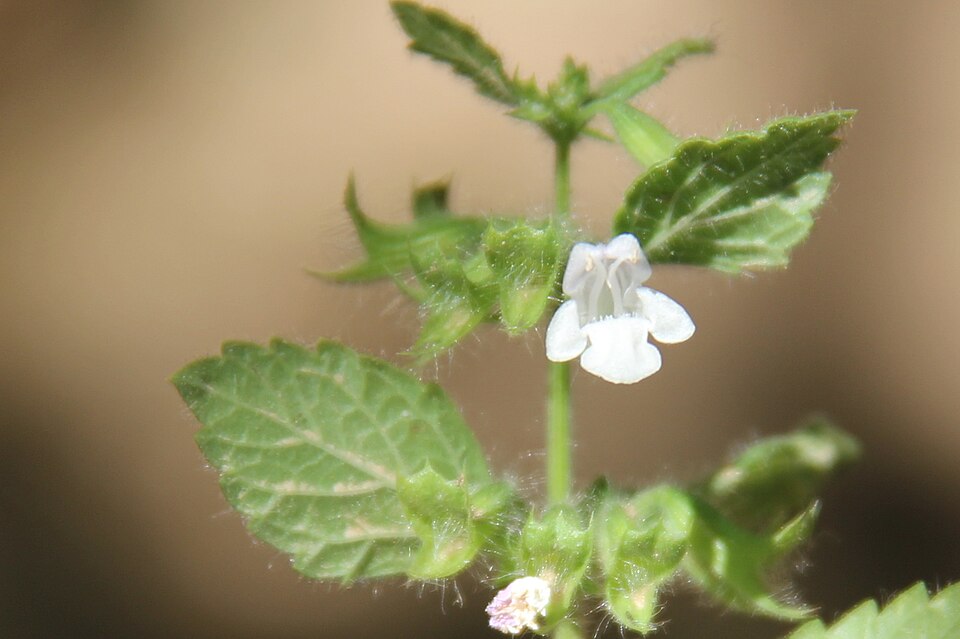
If you want to see insects visiting the flowers, keep a few stems out of the leaf-harvest routine. Choose stems you can reach later without moving the whole pot. Let the small flowers finish and check the stems regularly as the flowers dry and the seeds develop. Remove the spent portions before seed ripens and falls where spread would be unwanted. Follow the flower stems back between the leaves before clipping. You can preserve most of the healthy foliage while taking away the parts that would scatter seed.
Do the job in two visits if the flowers are at different stages. At the first pass, cut the mainly finished stems. A week of active growth can make the younger ones reach a different stage by the next visit. Check smaller stalks under the main canopy as well. Seeds can drop into surrounding corners you rarely notice during leaf harvests. Keep clippings together and handle them according to local needs, especially near sensitive outdoor ground. Check local guidance where lemon balm spread is a known issue. Use a locally appropriate alternative if it does not fit the site.
Inspect the edge near the rim and the ground below once the flowers are finished. Young plants in a neighboring pot or cracks can be lifted while small where they are unwanted. Confirm the identity as they develop if it is unclear. The presence of a new seedling does not show that a root grew through the pot, so inspect both possibilities when one appears right beside a hole. Move the parent to open paving if you need a better view. A small change in routine can make that check easier every year.
Renew the root area when room runs out
If a large plant dries rapidly after thorough watering, inspect the root ball when it is practical. A crowded pot may benefit from division in a suitable period of active or renewed growth. Separate one sound rooted portion with healthy growing points and put it into fresh appropriate mix at the previous depth. Give it time to settle before the next large cut. A newer section need not start in the biggest container you have. Choose a volume that holds enough moisture while still allowing regular drying and drainage.
A compact parent in a good position can keep supplying useful leaves without expanding into several new pots. Keep the original label with any divisions. If you intend to give a rooted piece away, explain why seed control matters where it is grown, and share only where appropriate. Return your own pot to a position where the leaf side and the flower side are easy to see. A plant can occupy all of that small container in summer while the route around it remains clear enough to tend.
Check the one effort that mattered most
At the end of the growing season, look at where you were able to reach fresh leaves and which end of the pot held most of the flower stems. If the plant was always dry when you came to harvest, adjust container size or exposure before relying on more frequent snipping. If seedlings were the main issue, choose a better place to see the spent stalks and remove them before seed matures. A shorter list of visible checks is more useful than planning to prune on the same day each week regardless of growth.
Keep the pot open enough to use again. A few labeled stems going into flower can provide summer interest, and the rest can remain available for leaf cuts. You can decide how much of each you want as the plant develops. Put those choices within reach from the beginning and it is easier to have a fragrant herb nearby without inheriting another plant in every gap around it.
Further reading: NC State Extension profile of lemon balm.