7 min read
Check a Container Hardy Fuchsia Before Trimming Cold Damage
Identify the variety and its live stems, then decide how much cover and pruning a rooted patio plant needs.
On this page
A fuchsia in a container can look thoroughly brown after cold weather. One twig may be dead, the base may have sound buds and the root ball may still be recovering from a period of winter wet. Start with the label and the condition of the container. A healthy hardy fuchsia can begin new growth lower down on an older plant. Cutting to a tidy outline too early may remove stems that would have grown. A little observation at the transition from winter to spring gives you a clearer choice of which wood is actually worth pruning.
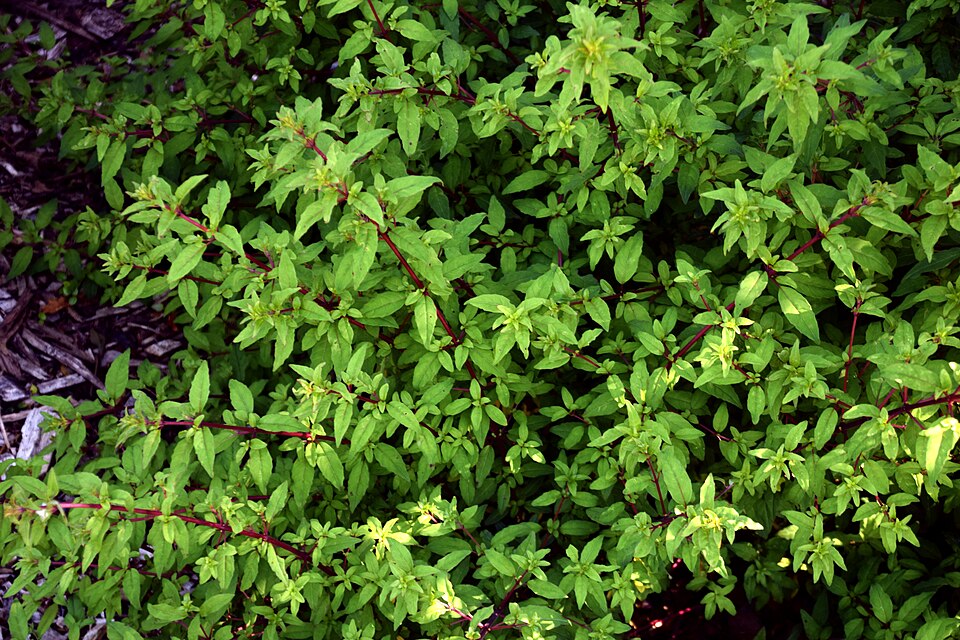
Fuchsia magellanica can be grown as a shrub in a border or in a suitable container. Hardiness in a particular fuchsia depends on the variety, exposure and local climate. Some fuchsias sold for summer containers are tender and need frost-free winter protection. A variety described as hardy in the ground may still experience colder roots in a container. Use a known locally suitable hardy selection for the plan here and check the nursery or regional recommendations. Start with the kind of plant you have and the winter the pot actually experienced.
See whether the position made the injury more likely
Look at the container's location before pulling it away from the wall. Check whether wind strikes one side regularly, whether rain collects at the base and whether the roots were more exposed to cold than the top growth. A plant in a raised thin pot can cool quickly on all sides. A heavy container in a sheltered position can still become a wet pocket if the holes are blocked. Feel the growing medium when conditions allow. Damp cold soil during the quiet season is not the same as a drained mix that takes up water normally.
Choose a sheltered place for winter that suits the cultivar and local climate. In a cold district, a container may need more protection than the same variety in the bed. Use local guidance for temperature and shelter. Keep drainage clear even while providing protection, and avoid standing the pot in trapped runoff. Put it where you can inspect it during unfavorable weather. A shelter that conceals the base behind other containers can make a small drainage problem more difficult to discover than it needs to be.
Record which side of the fuchsia had the greatest damage. If stems along the wall are firm while tips at the open end have dried, exposure is worth checking again before the next winter. If the whole plant looks weak and the mix stayed wet, look at roots and drainage before making the same arrangement next year. A small move can put the plant in a position that is still bright in summer but easier to protect and monitor as the season changes.
Wait for enough signs of life to make a useful cut
At the beginning of the locally suitable growing season, look for swelling buds and sound attachment points on the branches. Start at the base and examine higher stems afterward. A hardy fuchsia that dies back above the soil line can regrow from lower down if the roots and crown are healthy. Brown old leaves and dry fine tips do not show on their own how much of the older wood will recover. Compare the branches before deciding whether to cut the whole framework back.
Remove clearly dead, damaged or rubbing stems as appropriate once the timing is suitable. Use clean sharp tools. Follow a stem to live buds or firm healthy tissue before choosing a point for a cut. Where it is useful to check, lightly inspect a very small area of a suspect stem surface and look for green living tissue beneath. Watch fresh buds as well. A plant that is still quiet in cool weather may respond later than a more protected one. Keep the label and give it a reasonable period under suitable conditions before declaring it lost.
A spring cut can renew the shape of a healthy hardy type. The amount depends on how much top growth survived and what you need from the plant. If several strong lower shoots are emerging and the entire upper part is dead, remove the dead wood carefully so it does not snag the new shoots. If a useful older framework is healthy, retain part of it and remove only the damaged or obstructing tips. Following the structure of a tender variety or a standard trained plant needs separate guidance. Avoid copying a hard cut simply because it worked on another garden fuchsia.
Help new shoots grow into the space you planned
As buds begin to open, check moisture more often and water according to the condition of the root ball. Thorough watering is useful when it needs it, with clear drainage, but the plant cannot use the same amount of water during quiet growth as it does in a full summer canopy. Feel under the surface near the root area. If a large old pot stays damp and several stem bases soften, examine the drainage and plant condition before adding another soak. Ask a horticultural resource about persistent symptoms when the cause is unclear.
Put the fuchsia into light and shelter appropriate to its selection. A newly growing plant may need gradual adjustment when it leaves a protected spot. Look for intense afternoon heat near a wall and check how quickly the medium dries. A container with a little more root space and working holes can be easier to manage than a crowded pot that dries before the next visit. Repot when there is a reason, keeping the crown at a suitable level. A plant trying to recover from cold does not automatically need a very large new container.
Give the strongest new stems room to develop beyond the rim. Remove damaged material when needed, and avoid repeatedly taking growing tips if the new shoots are still gaining strength. If you want a smaller outline for the patio, choose which shoots will be useful before all the leaves open. A generous curve can keep flowers visible while leaving the way to the door clear. Once you see the first buds, reassess the width from your usual viewpoint and keep productive stems away from paths and sharp edges.
Make a note during the cold spell rather than after it
Start with a simple sketch of the pot and the shelter. Mark which side faces the winter weather and which side stays nearest a protected wall. Use a thermometer appropriate to the setting if that helps you learn the actual conditions. A single daytime reading does not show what the root area experienced in a long cold night. Record roughly when the weather changed and whether the pot was dry, continuously wet or draining normally. You may be able to change the position of the container next year without changing its cultivar or its summer display.
After recovery begins, look again at the shape of the pot and the root ball. A large terracotta pot may be difficult to move even when the top has died back. A smaller container can be easier to protect while drying more rapidly once new growth starts. Pick a size you can safely manage and keep it under observation during the active season. If your hardiest fuchsia still suffers every winter in that position, compare its actual root exposure with what the nursery intended for growing it in the ground.
Preserve one live branch as a reference
If an older branch still has several swollen buds, leave part of it and identify it with a loose marker. Compare its first leaves with shoots emerging from the base. You can recognize useful upper growth without preserving every dry tip. After several days of appropriate weather, look for continued expansion. Use this result to judge when to make another cut. Keeping a branch for observation is worthwhile if the overall plant is sound and the branch does not obstruct traffic.
If no buds are visible, assess the whole plant before taking a second deep cut. The ground in a sheltered pot may warm at a different pace from the garden bed. A shrub that emerges later under those conditions may have roots that need a normal stretch of warmth. If the pot smells sour or tissue at the base is collapsing, investigate those signs actively rather than waiting only for an arbitrary date. The sequence of observations gives you both a site test and a basis for pruning.
Use the first full summer to plan the second winter
Note which stems flowered and which part of the older framework remained useful. When the plant has made enough healthy new growth, look again at the spot you chose for next winter. Check that the roots can drain freely there and that you can move the pot if conditions require it. Keep a note of the approximate dates when it lost foliage and when new shoots started. That gives you evidence for a better comparison next spring. A container that preserves its living crown and gives you an accessible place to look for buds makes ordinary seasonal pruning much easier.
Further reading: Royal Horticultural Society guide to hardy fuchsias.